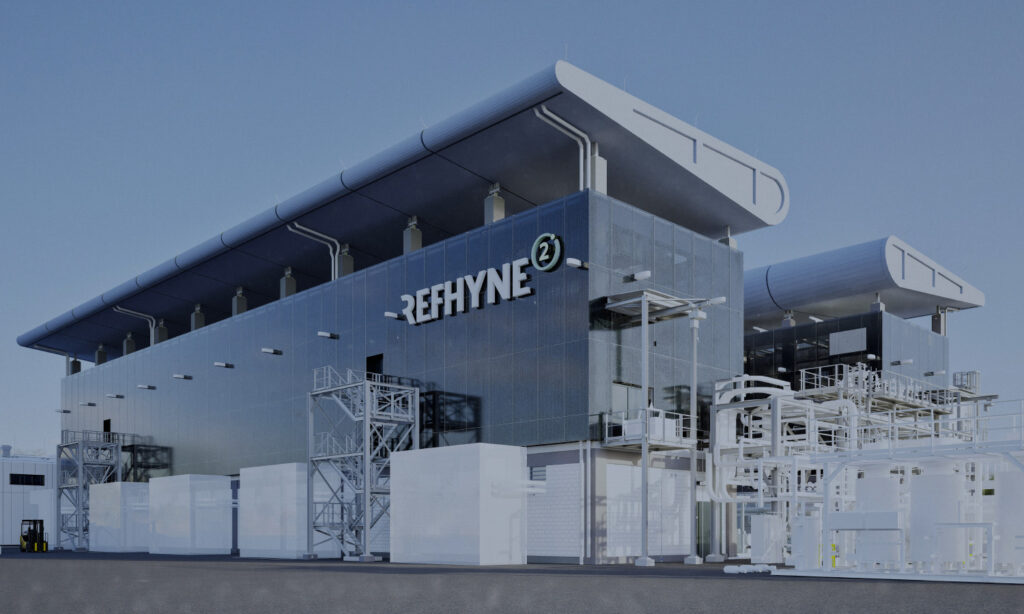
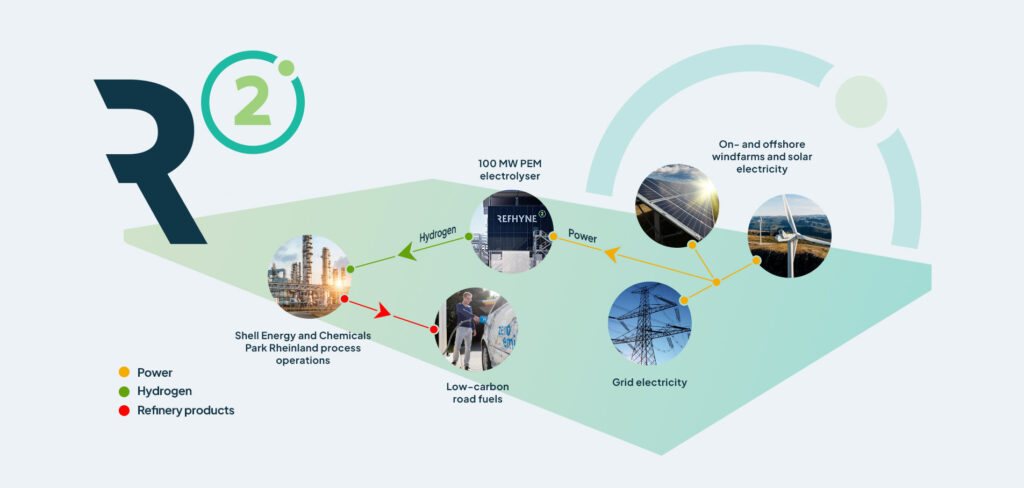
REFHYNE 2 is developing a 100 MW proton-exchange membrane (PEM) electrolyser at the Shell Energy and Chemicals Park Rheinland in Germany. Sustainable power will be used to produce renewable hydrogen, which will be utilised by process operations in the facility to help decarbonise site operations.
The REFHYNE 2 project builds on the lessons learnt from REFHYNE 1, maintaining these projects at the forefront of the low carbon energy transition. This second phase, encompassed by REFHYNE 2, is supported by the European Commission’s European Climate, Infrastructure and Environment Executive Agency (CINEA), whose mission is to support stakeholders in delivering the European Green Deal through high-quality programme management.
The hydrogen produced by REFHYNE 2 from renewable power is expected to be classified as a renewable fuel of non-biological origin (RFNBO). It will initially be fully utilised by the Shell Energy and Chemicals Park Rheinland in process operations, such as the production of transport fuels. By using the renewable hydrogen in the facility, Shell Rheinland will contribute to reducing Scope 1 and 2 emissions for Shell Germany. In the longer term, renewable hydrogen from REFHYNE 2 could be directly supplied to help lower industrial emissions in the region as customer demand evolves.

European Hydrogen Targets
The European Hydrogen Strategy sets out ambitious renewable hydrogen production targets, with a target of 40 GW of electrolyser capacity in Europe by 2030, equal to production of 10 million tonnes of renewable hydrogen. These ambitious targets contrast with the current state of the electrolyser industry, with the average electrolyser capacity installed in 2024 being just 5 MW (LCP Delta, 2025).

To achieve these ambitious goals, the European electrolyser sector must scale up at a very rapid rate, to retain a significant European share of the market and safeguard European value creation.

This scale up will require new learning around mass manufacture of electrolysers, designs and techniques for integrating large 100MW+ electrolysers into industrial locations, new norms and standards around safe hydrogen production at this scale and strategies for operating the electrolysers effectively and efficiently.

Furthermore, for electrolysers of this size to provide added value for the energy system, the practicality of ensuring they’re coupled to renewable production and can help to stabilise the electrical grid will need to be established.
Scaling up the approach
This scale is in and of itself innovative. REFHYNE 1 has shown that achieving an order of magnitude increase in the size at which a technology is deployed leads to new insight and learnings in both the design of the electrolyser system as well as in the associated learning around consenting and approvals on large industrial sites. The REFHYNE 2 step is expected to take this even further.
The experienced team will deliver an order of magnitude scale up in a carefully managed and well controlled process. In so doing, the partners will prove that electrolyser technology is ready and available for 100MW and even GW scale installations required for renewable hydrogen to be a major component of the energy transition.
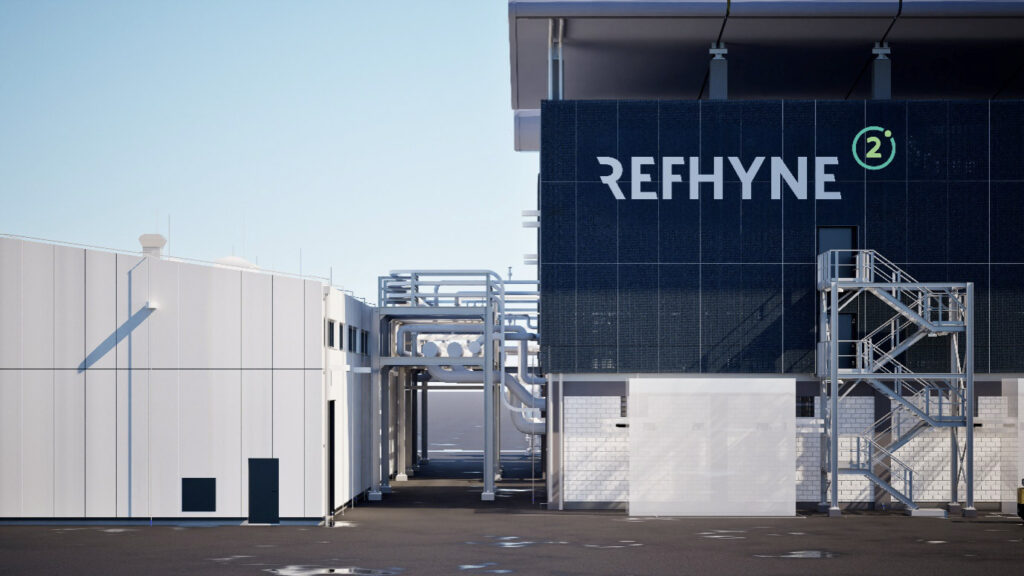
The REFHYNE 2 project aims to produce up to 16,000 tonnes of renewable hydrogen per year.
The plant will be planned and constructed by Linde and the electrolysers will be manufactured by ITM Power. The project will be realised in close collaboration with the future operator, Shell.
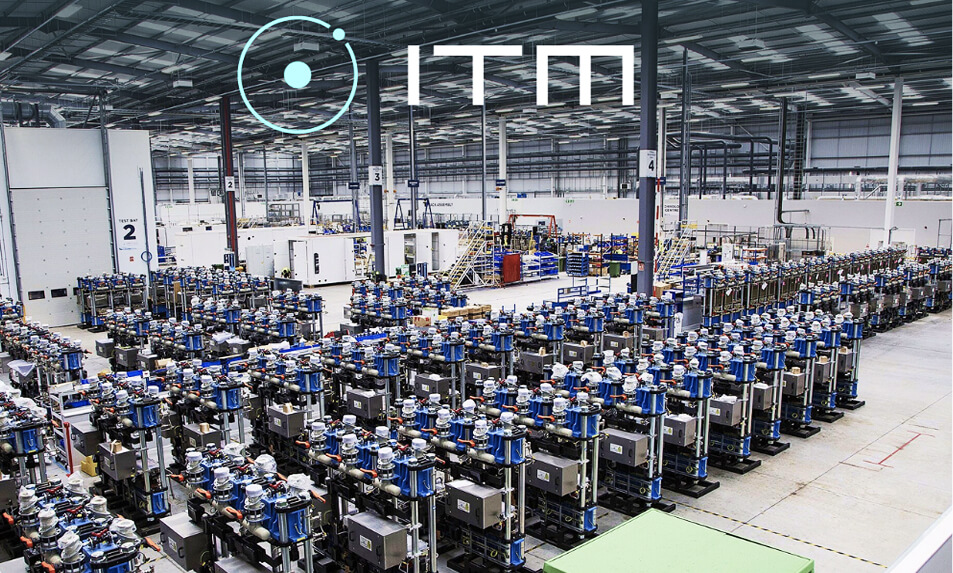
ITM Power is poised to deliver 100 MW of its advanced TRIDENT proton exchange membrane (PEM) electrolyser stacks and skids for REFHYNE 2.
Operating at a pressure of 30bar, these PEM electrolysers are designed to seamlessly integrate with the balance of plant systems, which encompass all equipment necessary for the electrolysis process.
The TRIDENT skids facilitate a modular approach, enabling scalability and ease of integration into large industrial projects such as REFHYNE 2.
The electrolyser will have a peak capacity of 100 MW and aims to produce approximately up to 16,000 tonnes of hydrogen per year. This renewable hydrogen can be fully integrated into refinery processes including the desulphurisation of conventional fuels.

FAQ
The project started in 2021 and is expected to run until 2029.
The project reports can be found under Resources on the project website.
We are not currently accepting site visits. Please get in touch for more information or follow our socials to be kept up to date.
An overview of the partners involved in the project can be found in the Partners section below.
Partners