
REFHYNE 2 Project Workshop, Płock, Poland: Key Insights
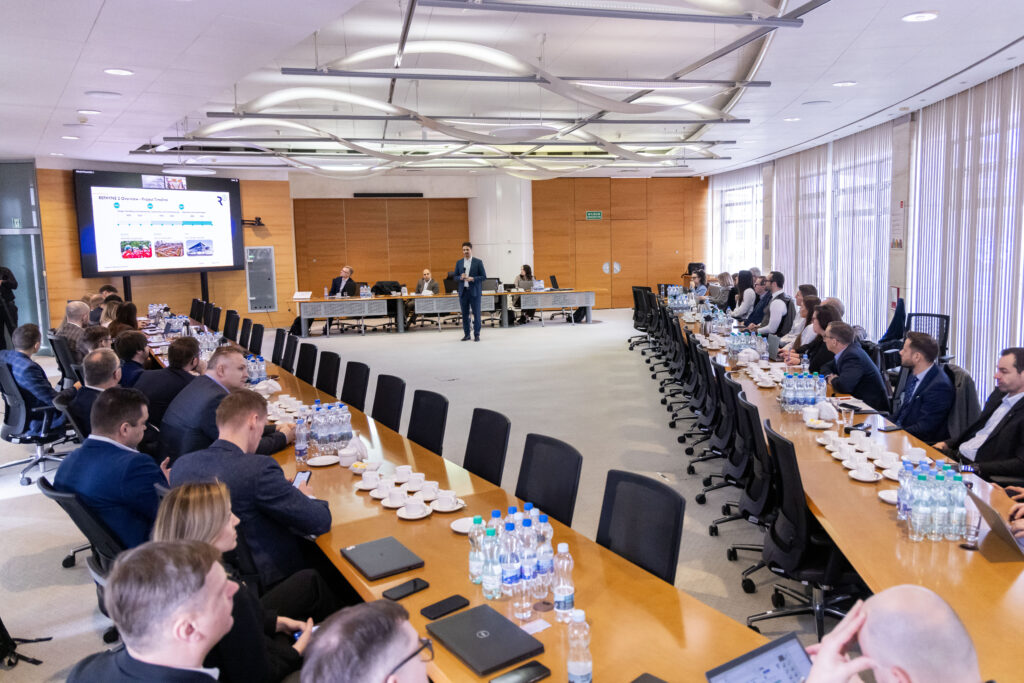
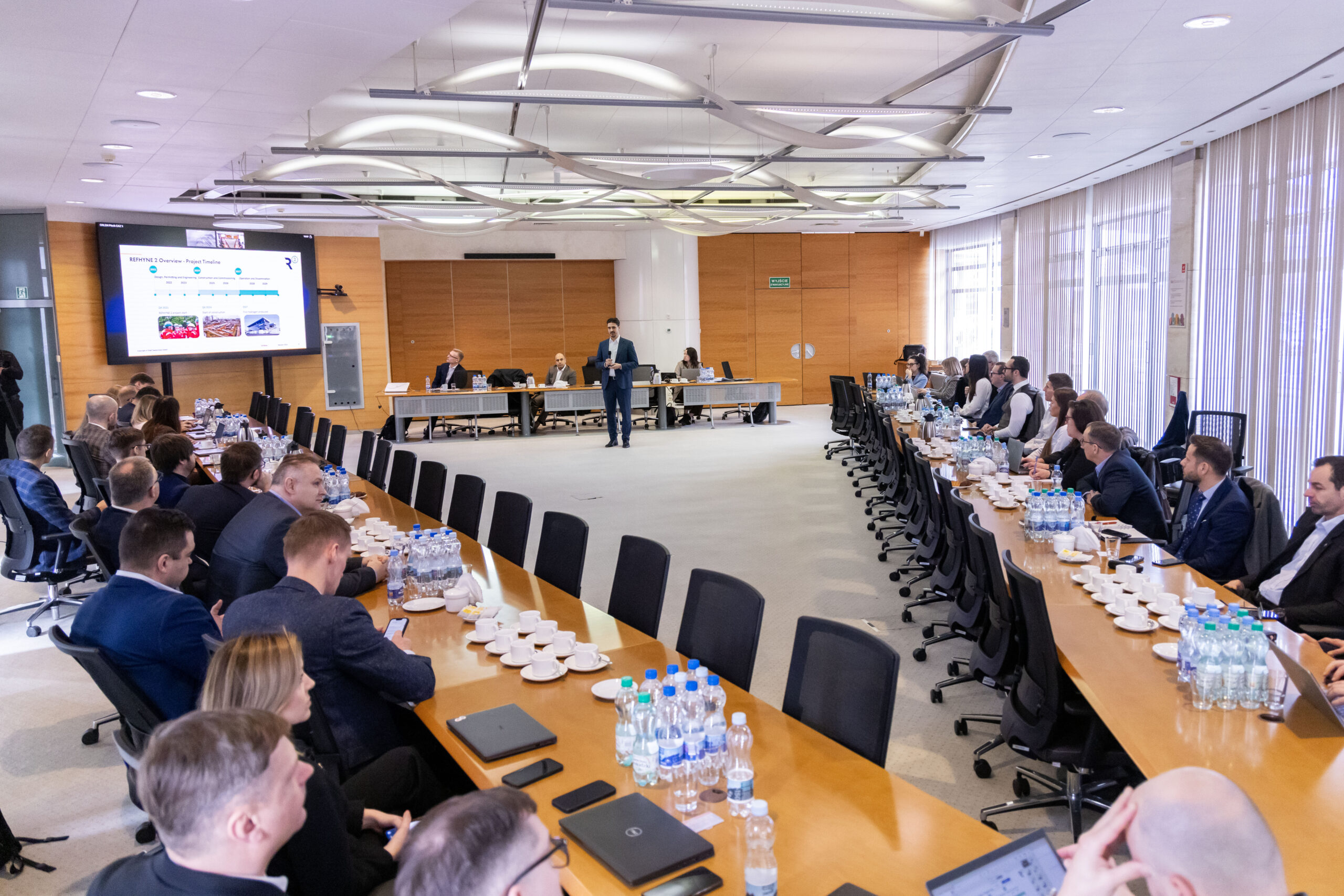
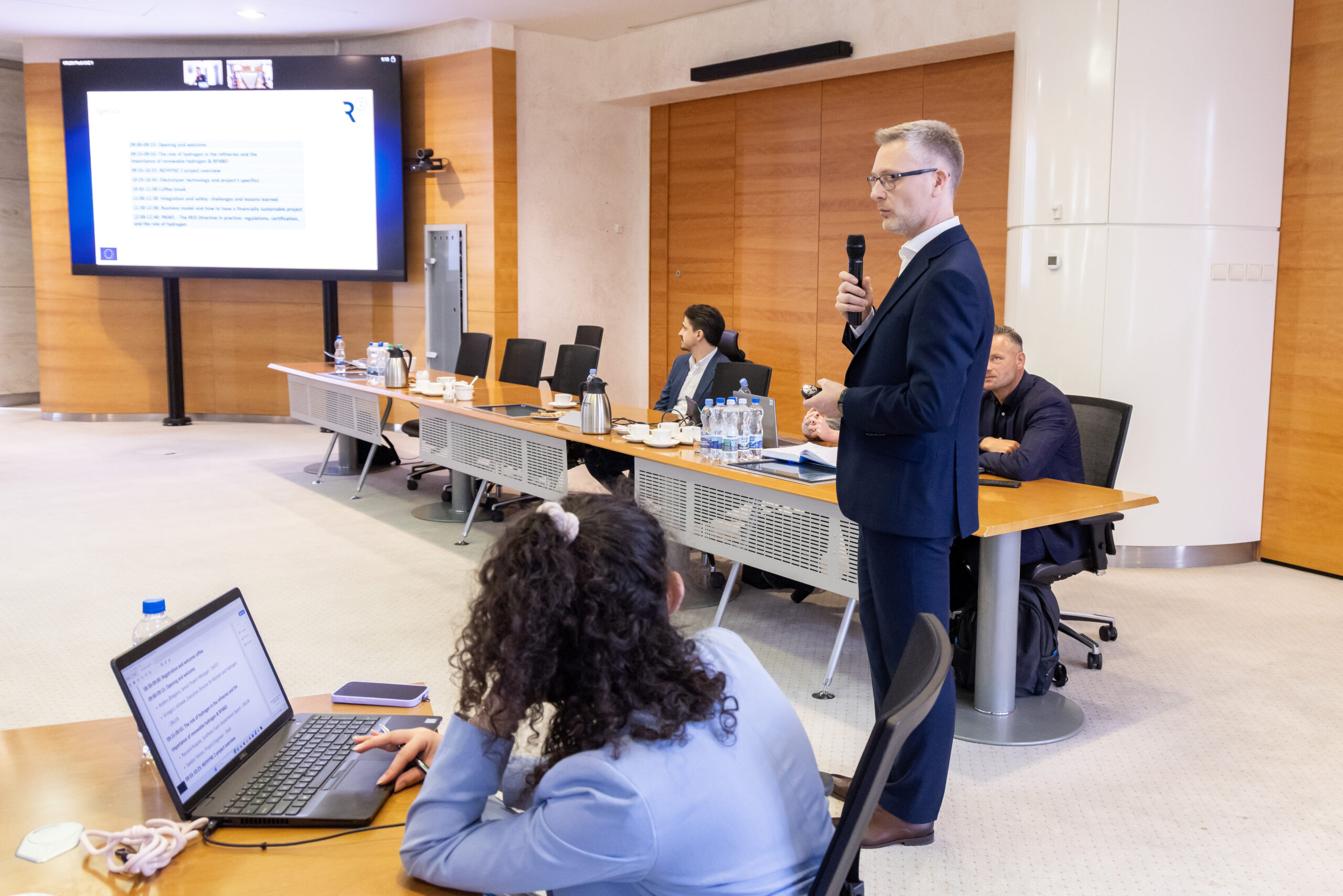
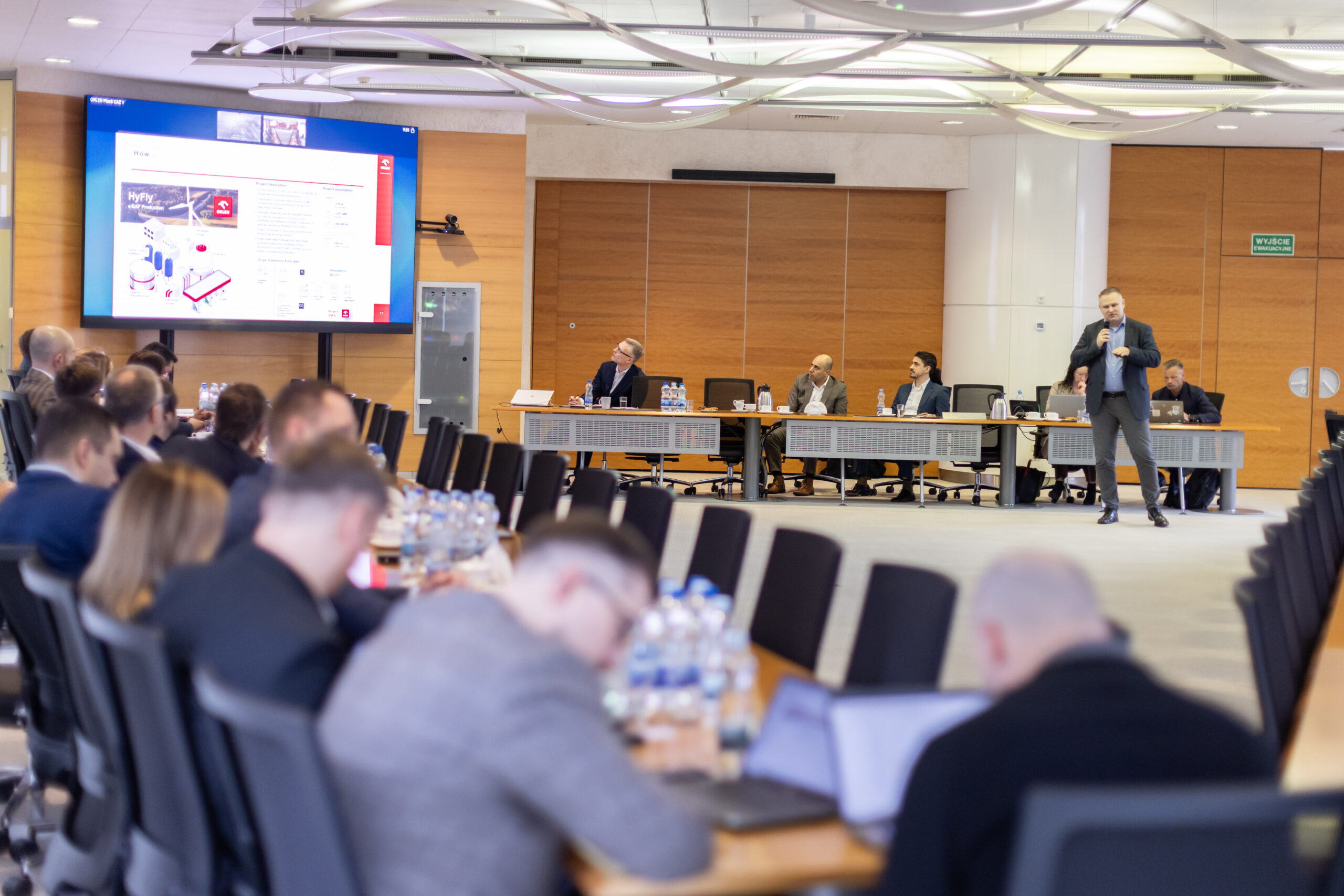
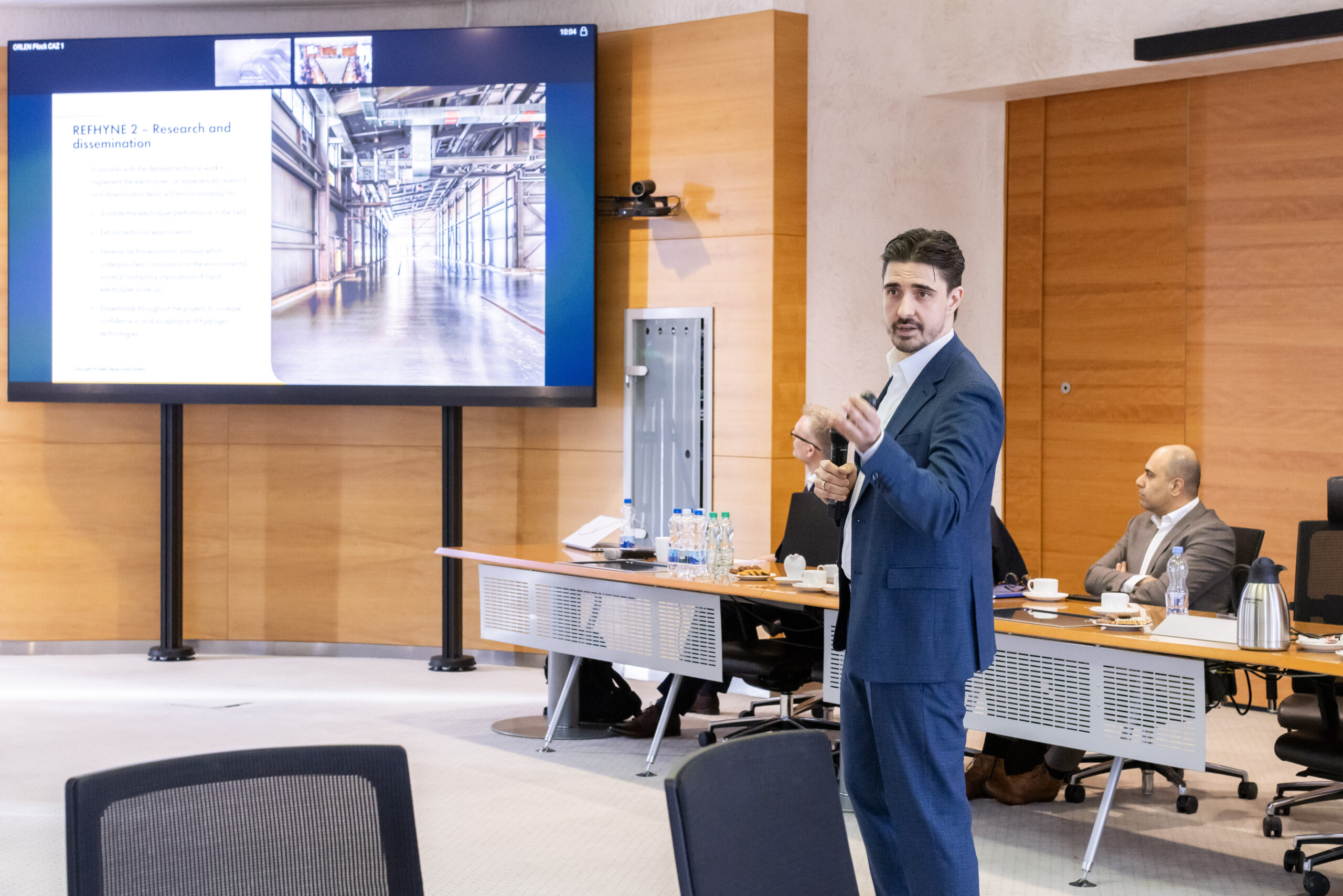
A two day REFHYNE 2 workshop, organised by Concawe and hosted by ORLEN at the Płock Refinery, brought together the REFHYNE 2 consortium, industry representatives and invited experts to explore the role of renewable hydrogen in refineries and the wider energy transition. The workshop combined a site visit, technical presentations and panel discussions, offering practical insights into deployment challenges, regulatory developments and investment considerations for large scale hydrogen projects.
The programme opened with a visit to the Płock refinery and hydrogen filling station, providing participants with an opportunity to see the infrastructure first hand. This was followed by networking sessions allowing for exchange and collaboration across the workshop attendees.
Key insights and takeaways from the sessions are highlighted below.
1.1 Hydrogen in Refineries and the REFHYNE 2 Project
Hosts of the workshop, ORLEN, presented to the workshop attendees the strategic role of hydrogen in refinery operations, outlining current activities and the rationale for pursuing renewable and low‑carbon hydrogen pathways. Speakers highlighted the value of utilising existing infrastructure to minimise costs, as well as the importance of considering different sources of hydrogen.
Project partner Shell provided an overview of the role of hydrogen in their refineries and the importance of renewable hydrogen, alongside a comprehensive update on the REFHYNE 2 project. This included reflections on system‑wide considerations, emphasising that renewable hydrogen projects must be viewed end‑to‑end — from electrolyser manufacturing through to final use — in order to ensure technical feasibility and long‑term viability. Technical perspectives were further considered by ITM Power, who presented on electrolyser technology and project‑specific design considerations.
1.2 Safety, Integration and Business Case Development
Safety and integration challenges were a recurring theme throughout the workshop. Project partner-led sessions explored lessons learned from implementation, underlining the importance of early safety integration and close coordination between project partners. These discussions were complemented by the project Coordinator, SINTEF, who presented business case analyses examining the conditions required for financially sustainable hydrogen projects. SINTEF highlighted the potential risk of financial losses associated with sales of surplus electricity from PPAs (Power Purchase Agreements).
1.3 Regulatory Frameworks and the RED Directive
A dedicated panel discussion examined the Renewable Energy Directive (RED) and its practical implications for renewable hydrogen deployment. Panellists from Hydrogen Europe, Shell, Concawe and ORLEN discussed current regulatory requirements, certification challenges and the uneven pace of RED implementation across European countries. While progress is being made, speakers highlighted a lack of synchronisation between national approaches and raised concerns about insufficient demand‑side incentives.
Several contributors noted that current regulations rely heavily on compliance obligations, with fewer mechanisms to actively stimulate market demand. The need for revision of RFNBO delegated acts, clearer guidance on compliance, and improved risk‑to‑reward balance for project developers was repeatedly emphasised.
1.4 Investment, Market Development and Future Outlook
The final sessions and panels focused on investment considerations and the role of projects, such as REFHYNE 2, in shaping Europe’s hydrogen strategy. Speakers stressed that large‑scale deployment will depend on stable and predictable regulatory frameworks, alongside infrastructure development for grid connections, storage and offtake.
Participants reflected on the challenges of operating across multiple national contexts with differing policy landscapes, noting the benefits of standardisation while recognising the need to respond to local market conditions. The workshop concluded with a call for continued collaboration between industry, research organisations and policymakers to translate operational experience into practical regulatory and market improvements.
Overall, the workshop reinforced the value of projects like REFHYNE 2 in providing real‑world evidence, fostering cross‑sector dialogue and supporting informed decision‑making as Europe moves towards wider adoption of renewable hydrogen.
See also
REFHYNE 2 Project Workshop, Bilbao, Spain: Key Insights
Read more...
Final Investment Decision taken by Shell for REFHYNE 2
Read more...
Partners